Power Up Civics: Government for the Digital Age

Categories: A-G Aligned, Civics, Government
Wishlist Share
Share Course
Page Link
Share On Social Media

About Course

This isn’t your grandparents’ civics class. Designed for Gen Z’s digital-native, action-oriented mindset, this course transforms government basics into hands-on skills for 2025. By blending California’s constitutional standards with Gen Z’s tech fluency, we turn civic duty into real power—whether you’re fighting for climate policy, dissecting deepfakes, or landing a government gig that forgives student loans.

What Will You Learn?

  • How your personal identity and values shape your civic engagement and understanding of government.
  • The structure and functions of government, including the Constitution, branches of government, and the lawmaking process.
  • How to analyze and influence public policy, evaluate sources, and use digital tools to advocate for causes you care about.
  • Real-world crisis response skills, including how government agencies address emergencies and how you can participate in solutions.
  • Media literacy, branding, and communication strategies to build your own civic presence and make your voice heard.
  • Practical leadership skills for initiating community projects and driving social impact.
  • HSS-12.1: Explain the fundamental principles and moral values of American democracy as expressed in the U.S. Constitution and other essential documents of American democracy.
  • (For example: Analyze the influence of the Constitution, Declaration of Independence, and Federalist Papers.)
  • HSS-PoAD.12.136
  • HSS-12.1.3: Explain how the U.S. Constitution reflects a balance between the classical republican concern with promotion of the public good and the classical liberal concern with protecting individual rights; and discuss how the basic premises of liberal constitutionalism and democracy are joined in the Declaration of Independence as “self-evident truths.”
  • HSS-PoAD.12.1.336
  • HSS-12.4: Analyze the unique roles and responsibilities of the three branches of government as established by the U.S. Constitution.
  • (For example: Discuss the legislative branch, the process by which a bill becomes a law, enumerated powers, checks and balances.)
  • HSS-PoAD.12.45
  • HSS-12.1.5: Describe the systems of separated and shared powers, the role of organized interests (Federalist Paper Number 10), checks and balances (Federalist Paper Number 51), the importance of an independent judiciary (Federalist Paper Number 78), enumerated powers, rule of law, federalism, and civilian control of the military.
  • HSS-PoAD.12.1.55
  • HSS-12.7: Analyze and compare the powers and procedures of the national, state, tribal, and local governments.
  • (For example: How different levels of government interact and affect citizens’ lives.)
  • HSS-PoAD.12.7
  • HSS-12.7.3: Discuss reserved powers and concurrent powers of state governments, including tribal sovereignty and federalism.
  • HSS-PoAD.12.7.3
  • HSS-12.2.1: Discuss the meaning and importance of each of the rights guaranteed under the Bill of Rights and how each is secured (e.g., freedom of religion, speech, press, assembly, petition, privacy).
  • (For example: Establishment Clause, free speech, "In God We Trust" debates.)
  • HSS-PoAD.12.2.1
  • HSS-12.5.1: Understand the changing interpretations of the Bill of Rights over time, including interpretations of the basic freedoms (religion, speech, press, petition, and assembly) articulated in the First Amendment and the due process and equal-protection-of-the-law clauses of the Fourteenth Amendment.
  • HSS-PoAD.12.5.16
  • HSS-12.8.1: Discuss the meaning and importance of a free and responsible press.
  • (For example: Free speech vs. cancel culture, digital privacy.)
  • HSS-PoAD.12.8.1

Course Content

Your Civic DNA
Just as your DNA shapes who you are physically, your Civic DNA is made up of the core ideas—like government, citizenship, rights, liberty, and responsibilities—that define your role and power in society.

  • Introduction to Your Civic DNA
  • Politics – Beyond Red vs. Blue
  • What is Citizenship?
  • Could You Pass the Citizenship Test?
  • Liberty, Rights, Responsibilities
  • Your Civic DNA Quiz
  • Project
  • Virtual Field Trip: Washington DC

Power Structures Decoded
This module unpacks how the U.S. government is structured, how power is distributed and checked, and why these systems matter in your daily life. You’ll decode the Constitution’s blueprint, explore the branches of government, and see how federal, state, and local authorities interact—plus, you’ll get to analyze real-world scenarios and current events. Constitution: The foundational document that sets up the structure, powers, and limits of the U.S. government.

Change-Maker Toolkit

Crisis Lab

Your Civic Brand

Activating Your Civic Power

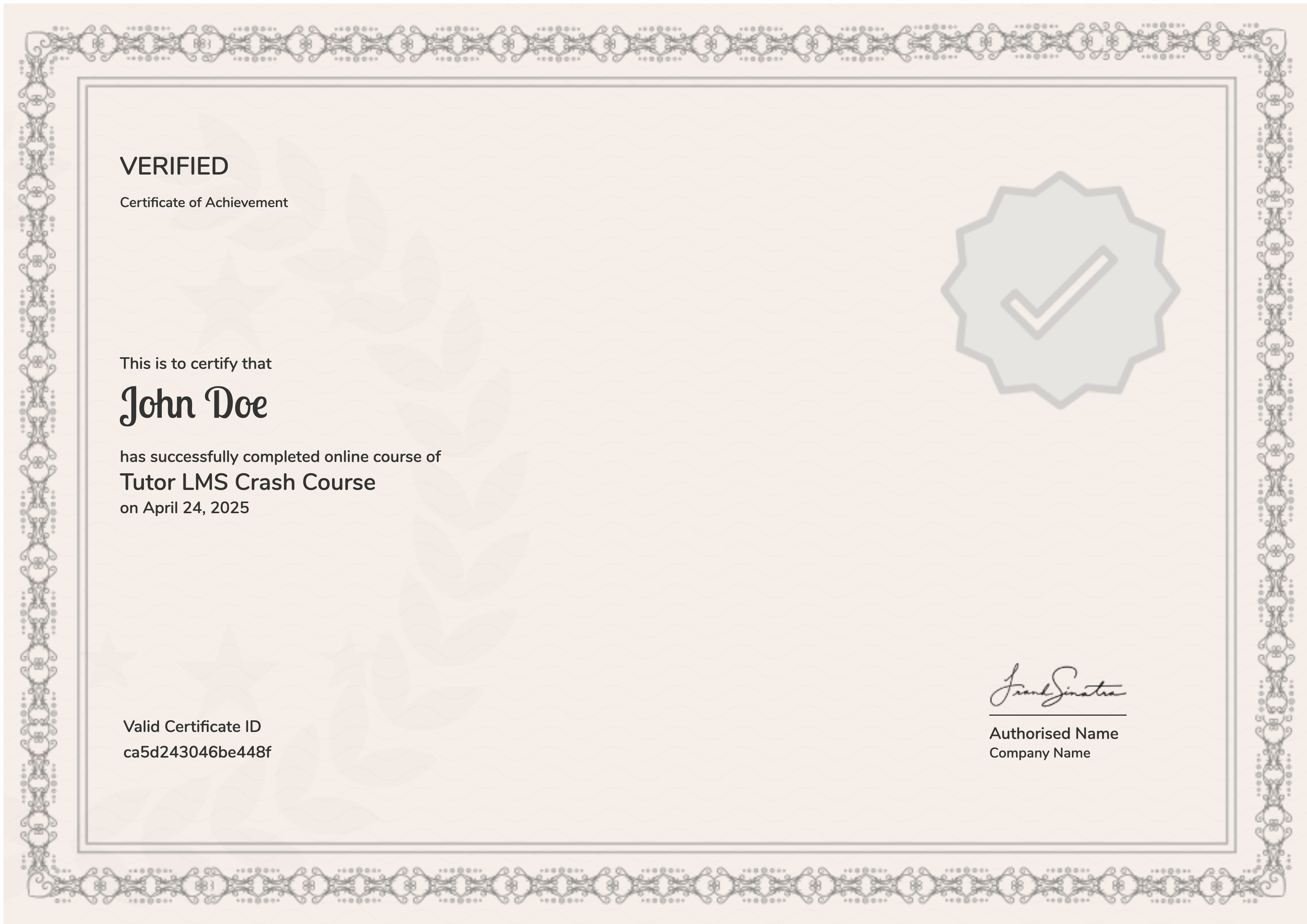
Earn a certificate

Add this certificate to your resume to demonstrate your skills & increase your chances of getting noticed.
selected template

Student Ratings & Reviews

No Review Yet
No Review Yet