This Counts as School
(Even If It Doesn’t Look Like It)
Are they missing out by not being in class?
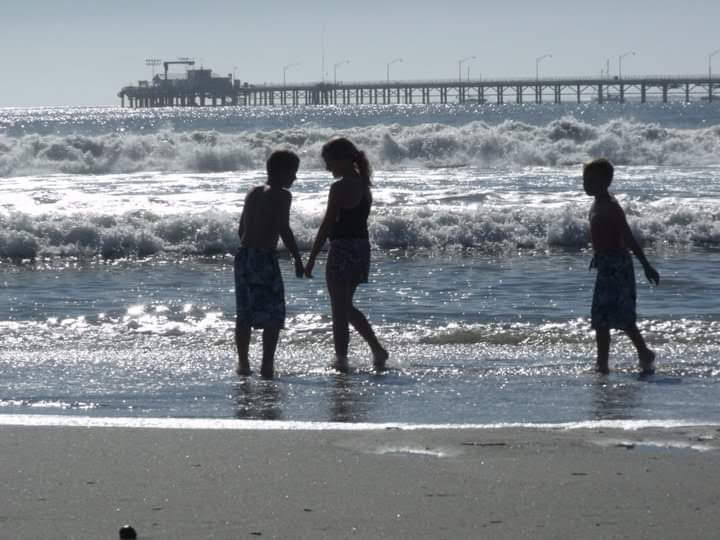
If you’ve ever watched your kids spend the entire day at the beach—running, digging, climbing, playing baseball with friends, chasing waves, stopping every five seconds to look at a crab or a shell—you’ve probably had that little voice in your head ask:
“But is this enough?”
Are they missing out on all the things they need to learn and do in school? Will they be “behind”, awkward, or incapable of adulthood?
Here’s the truth: this is the learning.
What looks like “just a day outside” is actually your kids building real skills in real time. They’re observing ecosystems, asking questions, solving problems, working together, taking risks, and figuring things out without being told exactly what to do.
They don’t feel like they’re doing school.
And that’s exactly why it works.
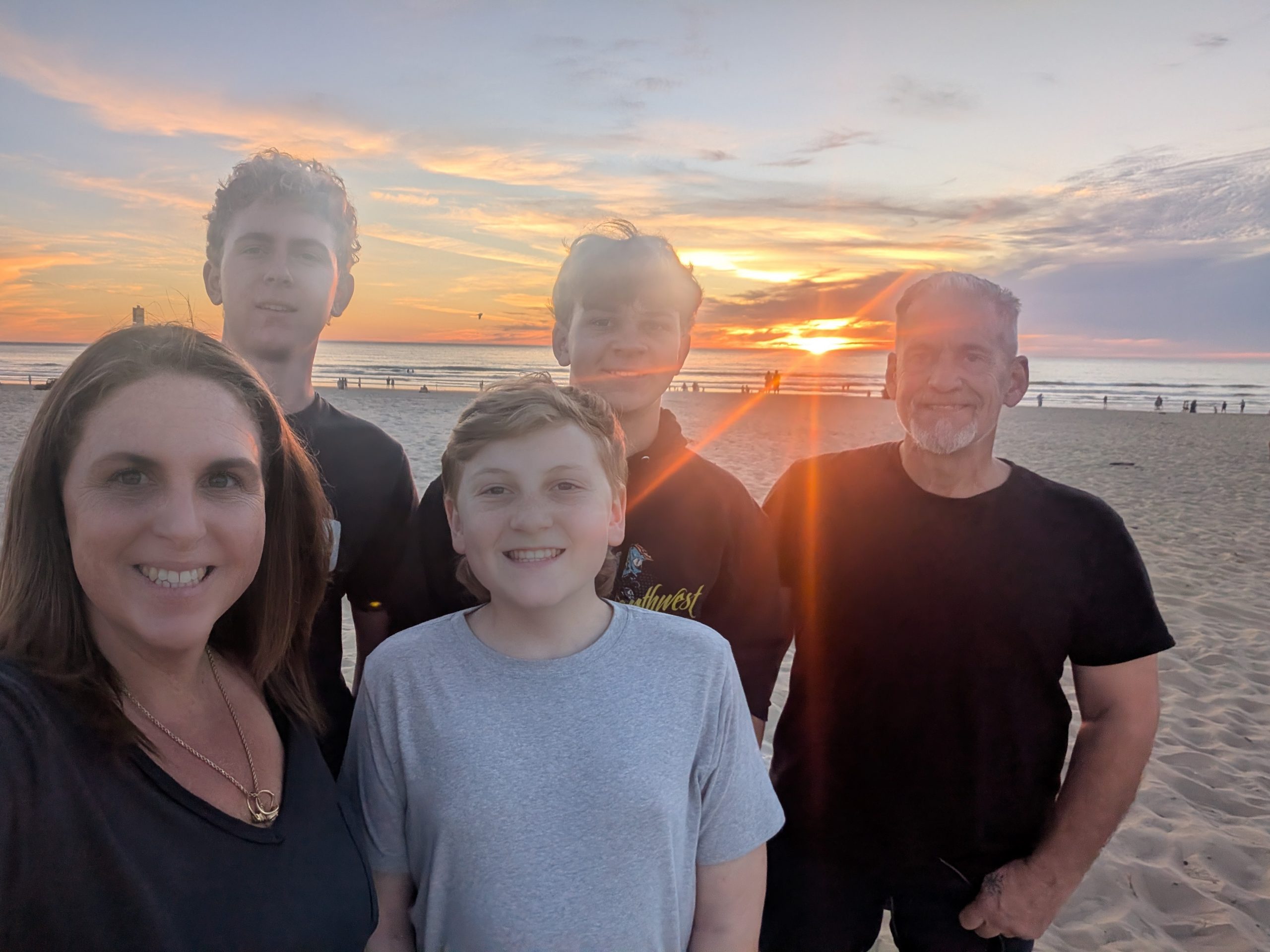
This is what learning looks like for us. Time together, conversations, shared experiences.
Not separate from education—this is education.
History-Social Science (K–12): Students develop an understanding of community, family roles, and social interaction in real-world settings.
Social Emotional Learning: Relationship skills, social awareness, and connection through shared experiences.
ELA (SL.3–5): Engage in discussions and share experiences with others.
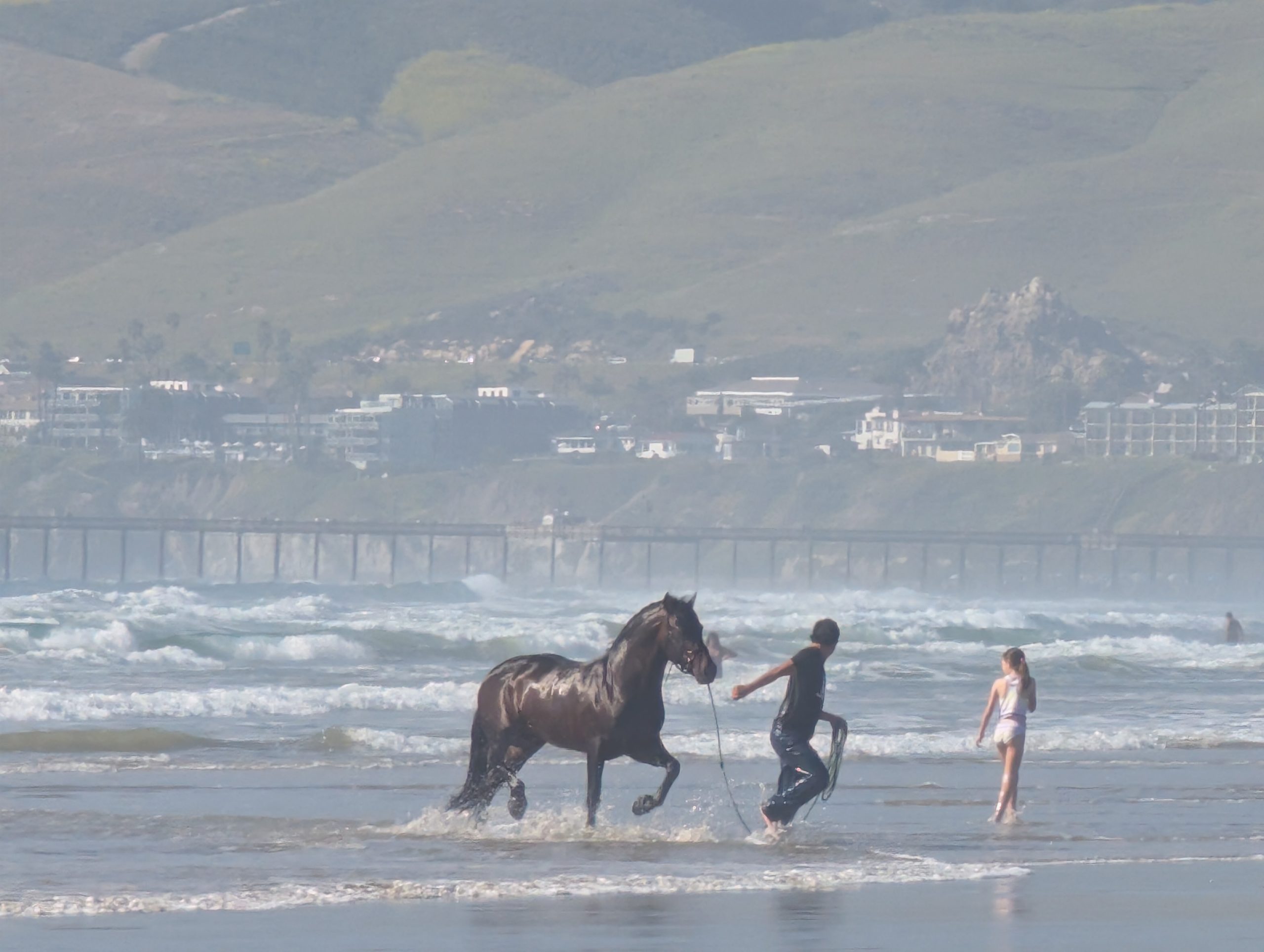
Watching something unexpected—like a horse running through the ocean—sparks questions kids don’t get from a textbook.
NGSS Science (3-LS4-3): Students observe and describe how animals interact with their environment.
Science & Engineering Practices: Making observations and asking questions.
ELA (W.3–5): Writing or discussing observations from real-world experiences.
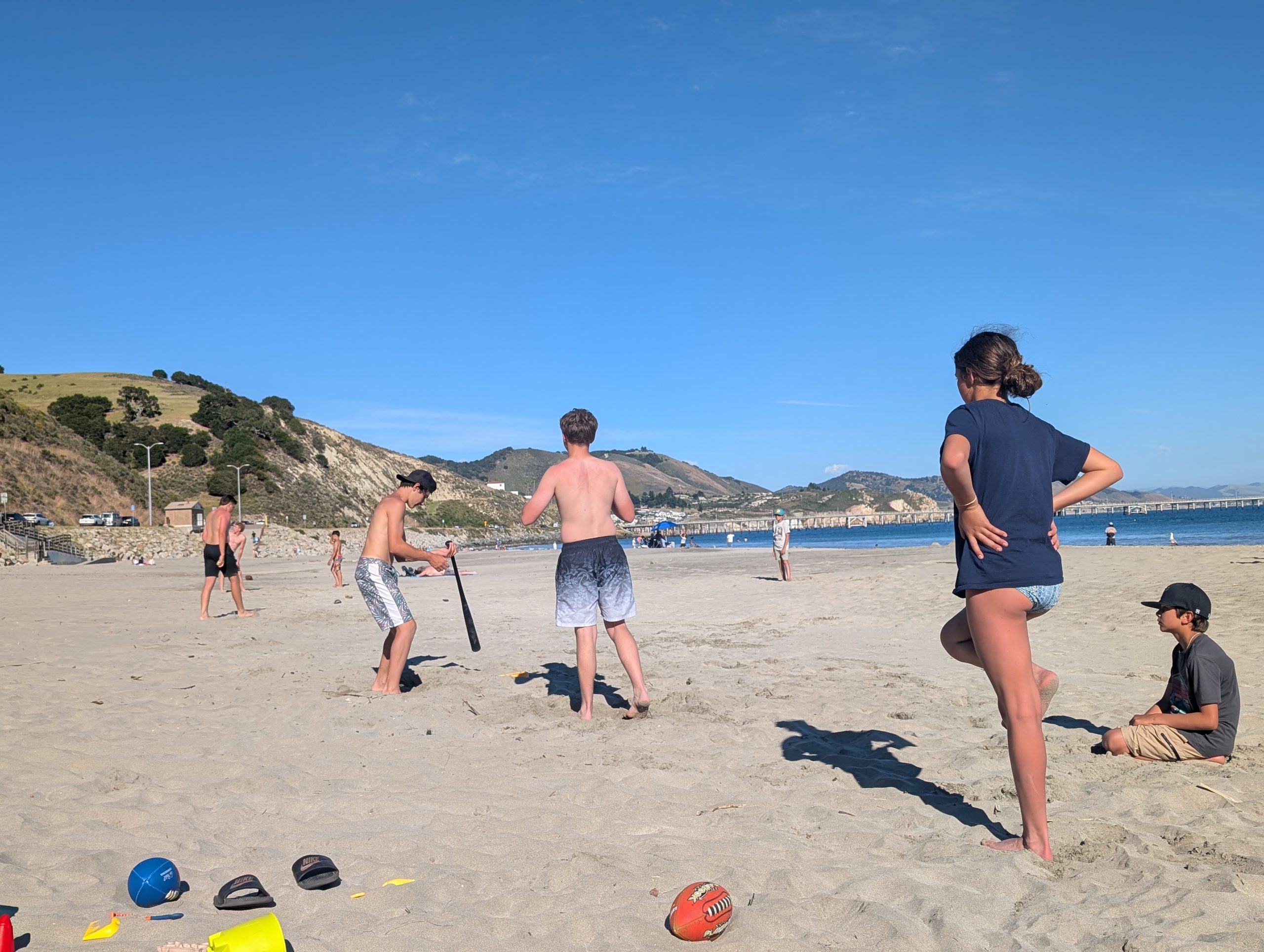
Throwing, running, adjusting, competing—this is coordination, strategy, and problem-solving all happening at once.
Physical Education Standard 1: Demonstrates competency in motor skills and movement patterns.
Physical Education Standard 5: Engages in physical activity for enjoyment and health.
Math (MP2): Understanding distance, force, and spatial awareness through play.
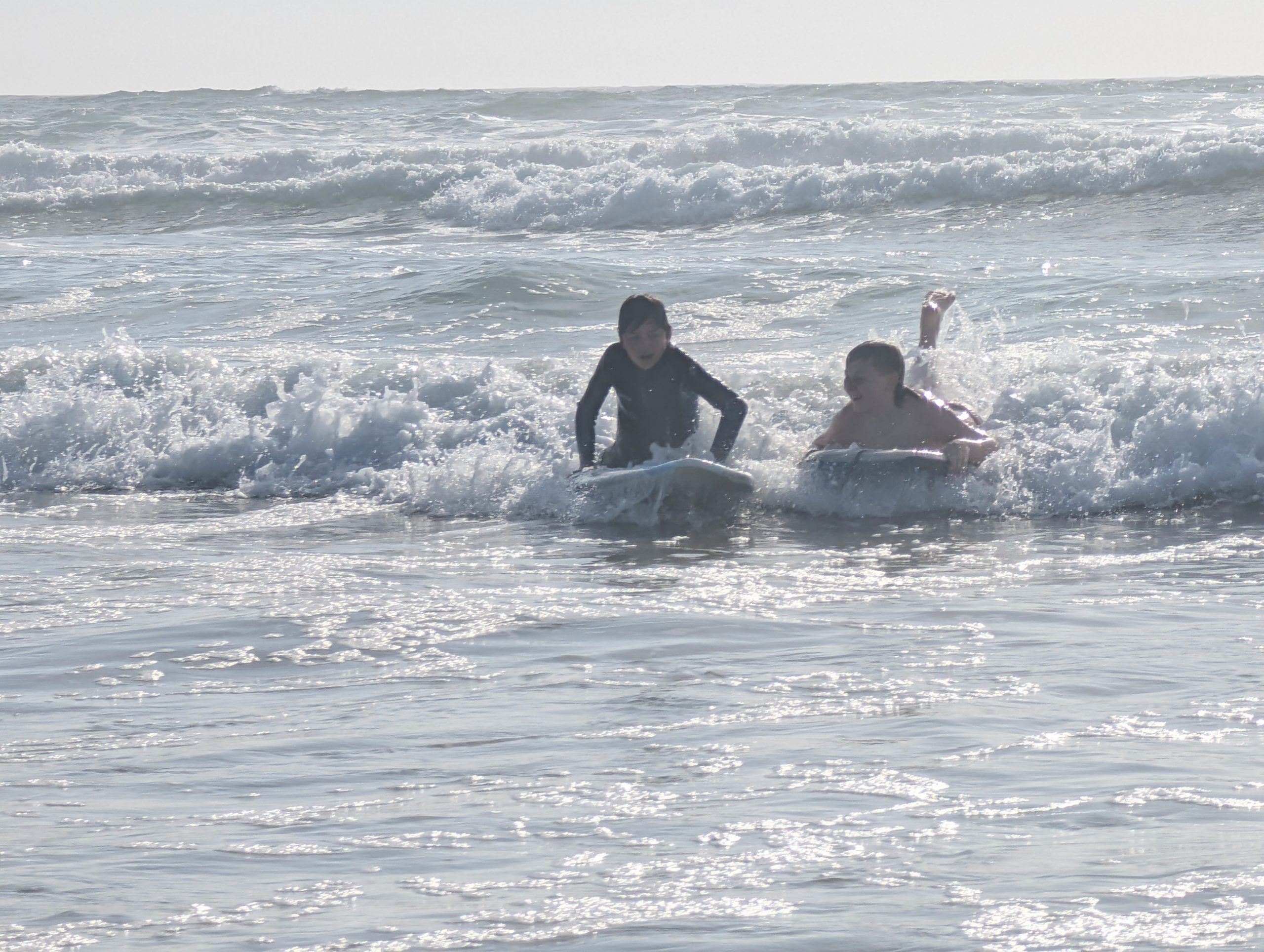
They learn by trying, falling, adjusting, and going again. No worksheet teaches that.
Physical Education: Balance, coordination, and environmental movement skills.
Social Emotional Learning: Self-management, confidence, and perseverance.
NGSS (MS-ESS2): Understanding natural forces like waves and water movement.
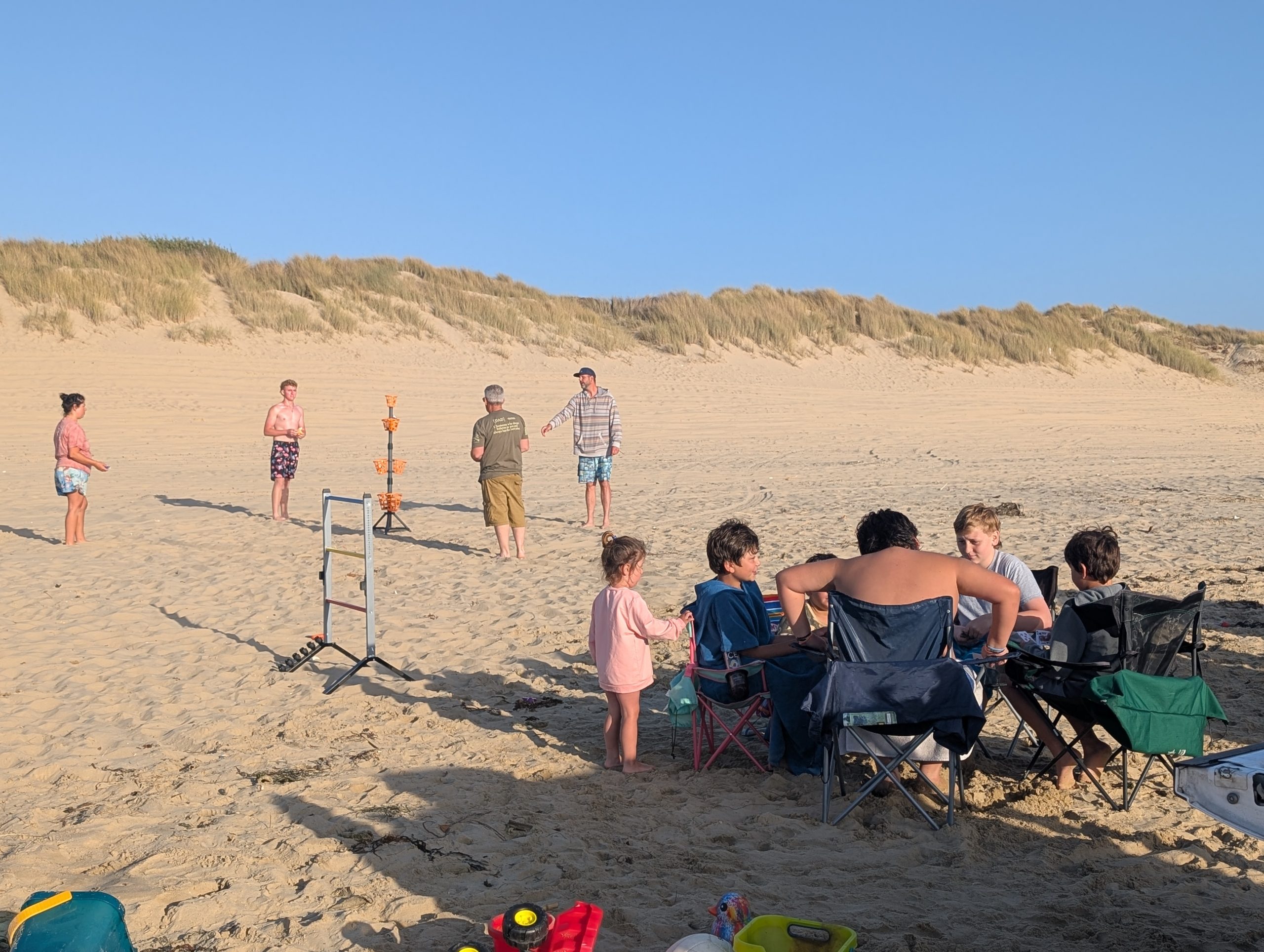
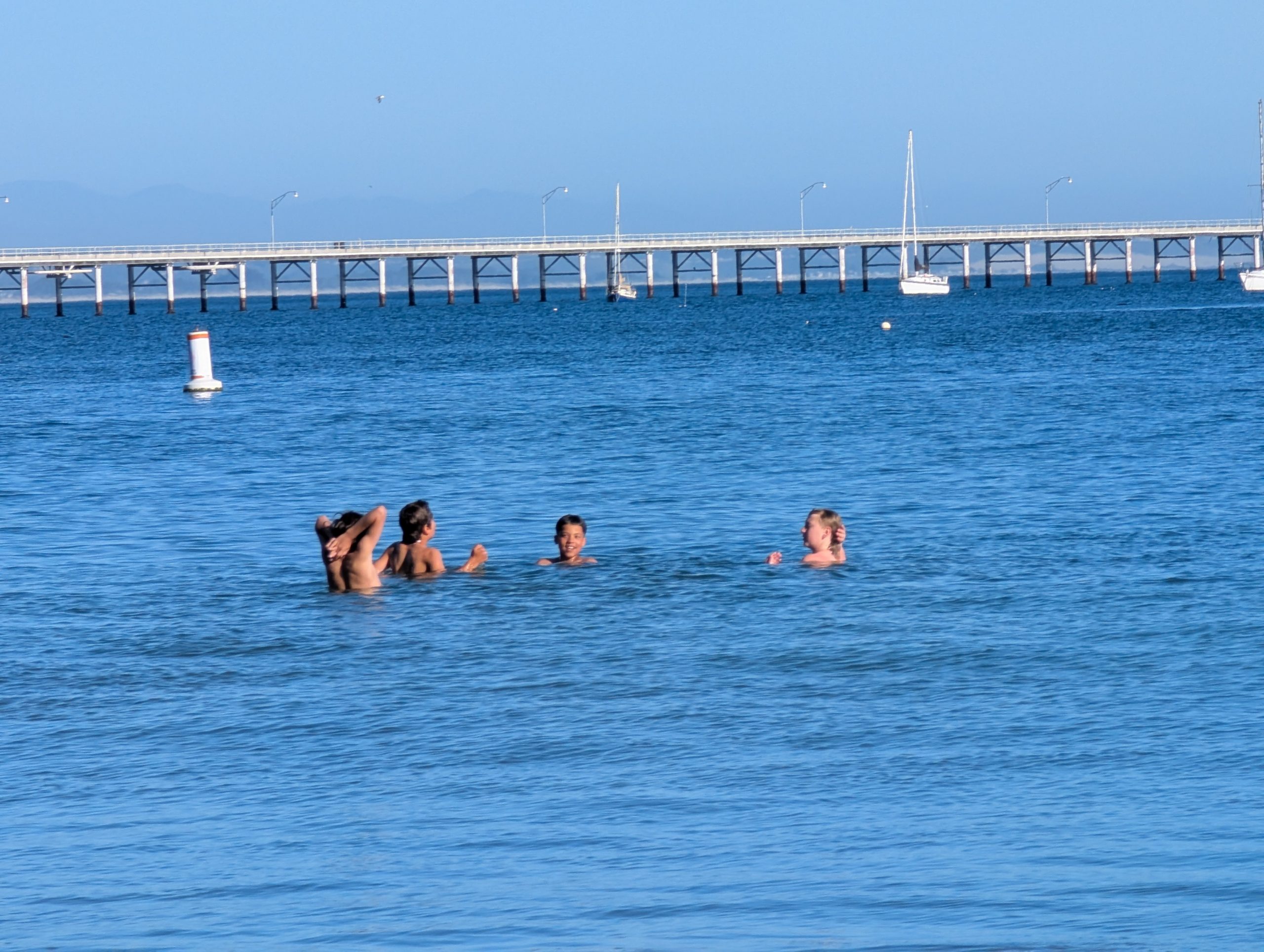
Talking, negotiating, including others, figuring things out together—these are the skills that actually matter.
ELA (SL.4–6): Collaborative discussions and peer interaction.
Social Emotional Learning: Relationship skills and responsible decision-making.
History-Social Science: Participating in group environments and community roles.
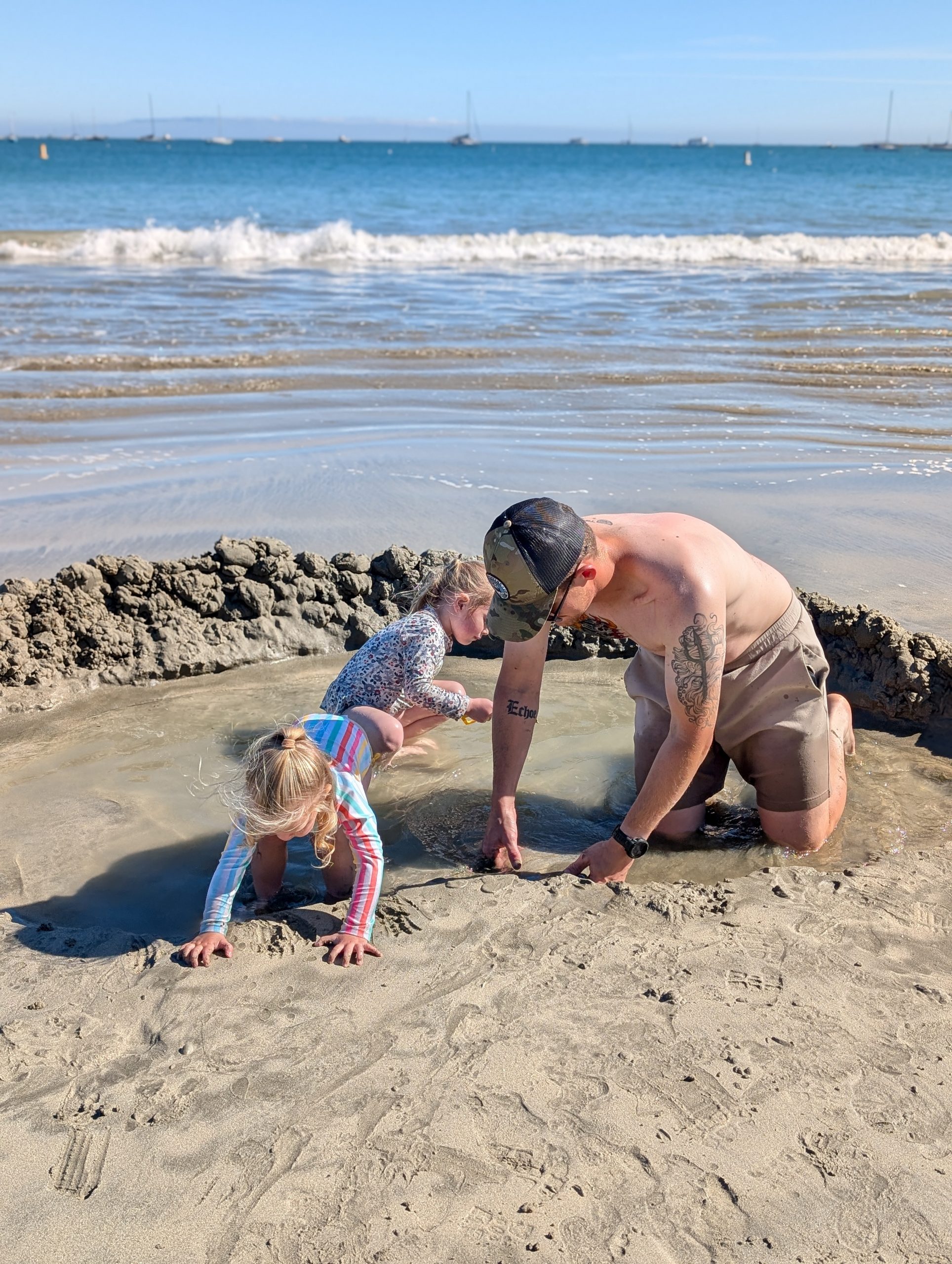
Digging, building, exploring, testing ideas—this is hands-on learning at its best.
NGSS (K-2-ETS1): Asking questions, making observations, and solving problems.
NGSS (LS2): Understanding ecosystems and interactions between living and nonliving things.
Science Practices: Planning and carrying out investigations.
I am happy to help…
If you’re ever wondering, “Is this enough?”—you’re not alone.
I’m happy to help. If you ever need support seeing how what your child is already doing connects to real learning and growth, reach out.
You are enough.
Life is enough.